Pig with Cup Svg – A Playful Graphic Design Asset for Crafts and Content Publishing
First Impressions: A Whimsical Addition to Your Editorial Toolkit
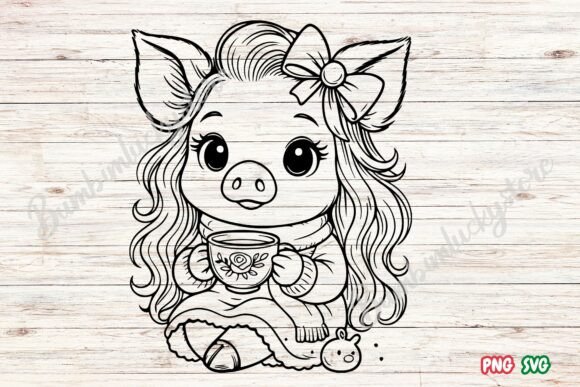
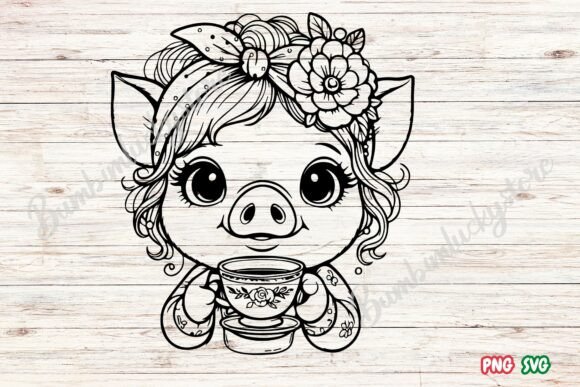
When I first saw Pig with Cup Svg, I immediately felt a sense of charm and visual warmth. This graphic design asset, featuring a pig holding a teacup, instantly evokes a playful and lifestyle-focused mood. It feels like the kind of image that would fit perfectly in a blog post about cozy living, weekend getaways, or even creative crafts. The character is cute, approachable, and has an artistic flair that can easily be adapted into various content formats.
The Pig with Cup Svg brings a soft, whimsical touch to any editorial layout. Its style leans towards modern and clean, making it suitable for both digital and print publishing. Whether you're working on a lifestyle blog, a creative marketplace listing, or a downloadable printable, this design asset adds personality without overwhelming the reader's experience.
Editorial Mood and Niche Alignment
This SVG graphic creates a warm and inviting atmosphere. It’s ideal for content niches that focus on lifestyle, home decor, gardening, or children’s activities. The imagery suggests comfort, relaxation, and a touch of humor—perfect for blogs or social media feeds that aim to engage audiences with relatable, everyday themes.
The Pig with Cup Svg also supports educational content in a subtle way. For instance, if you’re creating a digital guide on mindfulness or self-care, this graphic could serve as an engaging visual accent that reinforces the theme of taking time to relax and enjoy life’s simple pleasures.
Real-World Publishing Applications
Pig with Cup Svg is versatile enough to work across multiple platforms and formats. Here are some real publishing scenarios where this graphic design asset shines:
- Blog Featured Images: Use it as a hero image or thumbnail for posts about cozy living, creative hobbies, or family-friendly content.
- Pinterest Graphics: Pair it with catchy headlines to create eye-catching pins that drive traffic to your blog or affiliate links.
- Newsletter Headers: Add a touch of playfulness to your email campaigns while maintaining brand consistency.
- Digital Guides and Printables: Incorporate it into worksheets, activity sheets, or digital guides focused on relaxation and creativity.
- Social Media Posts: Create shareable content with this graphic, especially on platforms like Instagram and Facebook where visual appeal is key.
- Affiliate Marketing Materials: Use it in lead magnets or promotional banners for products related to home goods, toys, or lifestyle accessories.
Enhancing Content Performance with Visual Hierarchy
One of the most important aspects of effective editorial design is visual hierarchy. Pig with Cup Svg helps establish this by drawing attention naturally to the main message of the content. When used as part of a header or featured image, it can guide the reader’s eye toward the headline or call-to-action, improving click-through rates and engagement.
Additionally, this design asset supports better brand identity when used consistently across different content types. From website headers to Pinterest pins, its presence reinforces a cohesive look and feel, which builds reader trust and recognition over time.
Where This Graphic Works Best
Pig with Cup Svg excels in areas where a touch of fun and personality enhances the overall user experience. These include:
- Hero Images: As a central visual element on landing pages or blog introductions.
- Article Thumbnails: To increase visibility in search results and social media feeds.
- Pinterest Pins: To attract clicks and shares from visually-driven audiences.
- Blog Graphics: To break up text-heavy sections and add visual interest.
- Content Upgrades: In downloadable resources such as checklists, templates, or digital guides.
- Category Visuals: To help readers quickly identify content topics or themes.
Using It with Caution
While Pig with Cup Svg is a great addition to many content strategies, there are certain situations where it may not be the best choice. Avoid using it in:
- Small Mobile Thumbnails: Where detail is lost due to low resolution.
- Text-Heavy Blog Images: Where the graphic might compete with the content instead of complementing it.
- Low-Contrast Backgrounds: Which can make the image harder to see or read.
- Busy Layouts: Where too many visual elements can confuse the reader.
- Professional or Corporate Content: Unless the tone aligns with a more casual, lifestyle-oriented brand voice.
Practical Publisher Notes for Optimal Use
Before incorporating Pig with Cup Svg into your content strategy, consider these practical steps:
- Test on Desktop and Mobile Screens: Ensure it looks good at various sizes and resolutions.
- Check Thumbnail Appearance: Confirm it still conveys the intended message when viewed as a small preview.
- Preview in Real Blog Layouts: See how it integrates with your existing design and branding.
- Test with Headline Text: Make sure it doesn’t overpower or clash with your content copy.
- Review Contrast and Readability: Especially when paired with different fonts and color schemes.
- Try in Black and White: Assess whether it maintains its visual appeal in monochrome settings.
- Review File Size: Compress images properly for optimal web performance and faster load times.
- Confirm Commercial Licensing: Before using it on monetized websites, affiliate pages, or paid content products.
Final Thoughts: Elevating Content with Creative Design
Pig with Cup Svg is more than just a cute illustration—it’s a valuable graphic design asset that can elevate the visual quality of your content. Whether you're a blogger, publisher, or digital marketer, this SVG file offers a unique opportunity to enhance your editorial designs, improve reader engagement, and build stronger brand identity.
With its versatility and playful aesthetic, Pig with Cup Svg is a must-have for anyone looking to bring a touch of charm and creativity to their content publishing efforts. From blog graphics to digital guides, this design asset proves that even the smallest details can have a big impact on content performance and audience connection.