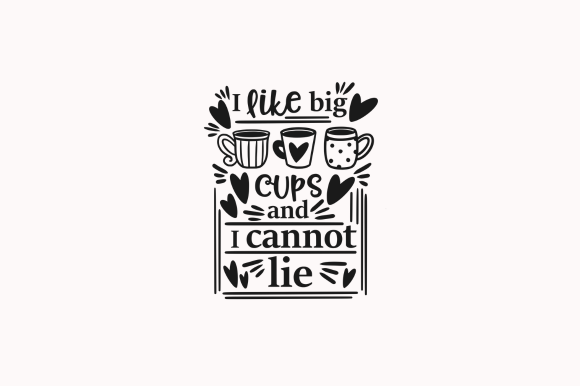
Cup Svg: A Graphic Design Asset for Crafts and Creative Projects
As a digital publisher who regularly creates blog graphics, editorial layouts, and content marketing materials, I'm always on the lookout for high-quality design assets that can elevate visual storytelling. The Cup Svg has caught my attention as a versatile graphic design asset that blends well with various publishing workflows, especially in the Crafts category. Its clean lines and modern aesthetic make it ideal for content creators looking to add a touch of elegance or whimsy to their web pages.
A First Impression: Lifestyle-Focused and Playful
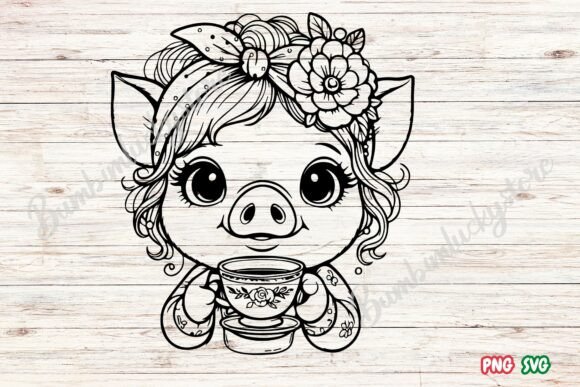
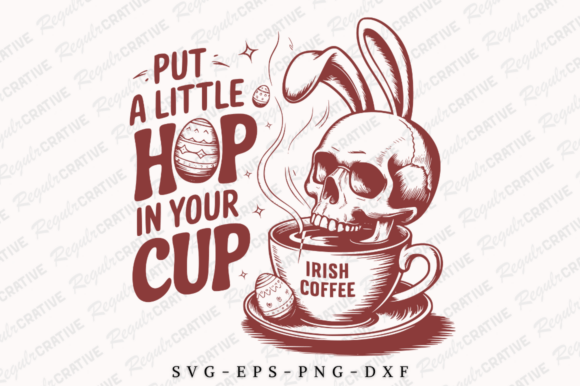
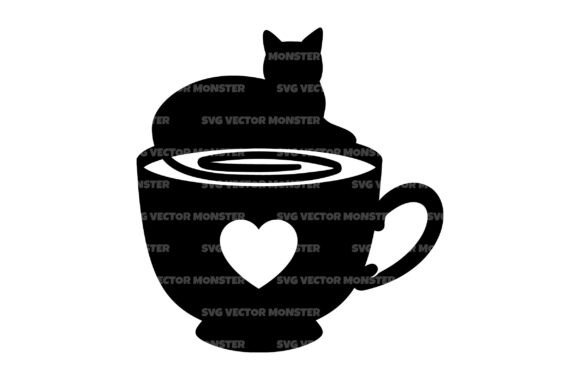
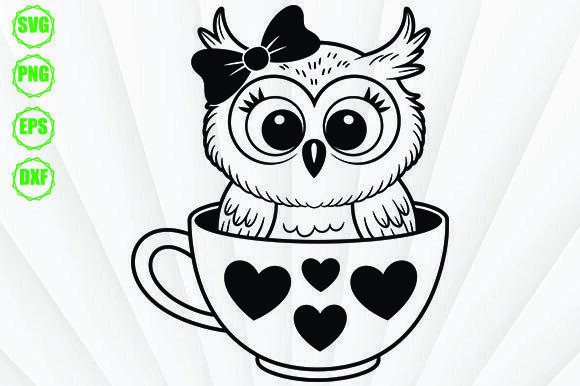
The first thing I noticed about Cup Svg is its ability to evoke a lifestyle-focused mood. It feels playful yet professional, making it suitable for content niches such as home décor, coffee culture, and creative living. Whether used as a Pinterest pin or a featured image, this design asset brings a sense of approachability and charm that can enhance reader engagement.
Its style leans towards modern and clean, which makes it a great fit for blogs and websites that aim to maintain a cohesive brand identity. The subtle details in the illustration suggest versatility—it can be used in both educational and decorative contexts without feeling out of place.
Real Publishing Use Cases for Cup Svg
When considering how to use Cup Svg in real publishing scenarios, there are several applications that stand out:
- Blog Featured Images: As a header or thumbnail, Cup Svg can serve as a visual anchor for articles related to lifestyle, crafts, or coffee culture.
- Pinterest Graphics: The design’s visual appeal and scalability make it perfect for creating eye-catching pins that drive traffic back to your website.
- Newsletter Banners: Incorporating Cup Svg into email headers can reinforce brand identity while adding a touch of creativity.
- Digital Guides and Worksheets: This asset works well as an accent in downloadable resources, helping to break up text and improve readability.
- Social Media Previews: When shared across platforms like Instagram or Facebook, Cup Svg helps create a consistent look that supports content marketing efforts.
Its file formats—DXF, PDF, PNG, SVG, and EPS—allow for flexibility in usage, whether you're designing for print, web, or digital download. This means you can easily integrate it into Canva templates or other graphic design tools without worrying about compatibility issues.
Enhancing Content Performance with Cup Svg
Incorporating Cup Svg into your editorial design can have a significant impact on content performance. Here's how:
- Stronger First Impressions: High-quality visuals like Cup Svg capture attention faster, encouraging readers to engage with your content.
- Clearer Visual Hierarchy: Using this asset in layout design helps guide the reader’s eye toward important information, improving overall readability.
- Better Click-Through Potential: Eye-catching graphics increase the likelihood of users clicking through to your content, especially on social media and blog thumbnails.
- Consistent Branding: Repeating Cup Svg across different content types reinforces your brand identity and builds reader trust over time.
- Professional-Looking Content Pages: With a polished and cohesive design, your content will appear more credible and visually appealing.
Where Cup Svg Works Best
Cup Svg shines in the following areas:
- Hero Images: As a main visual on landing pages or article introductions, it adds a welcoming and engaging touch.
- Article Thumbnails: Used as part of blog listings, it enhances discoverability and encourages clicks.
- Pinterest Pins: The design's scalability and visual appeal make it ideal for creating shareable content.
- Editorial Accents: Adding Cup Svg to sidebars, footers, or content upgrades gives your site a fresh and dynamic feel.
- Category Visuals: It helps categorize content effectively, making it easier for readers to navigate your site.
Where to Use Cup Svg with Caution
While Cup Svg is highly versatile, there are certain situations where it may not be the best fit:
- Small Mobile Thumbnails: Ensure the design remains legible when scaled down for mobile views.
- Text-Heavy Blog Images: Avoid using it in images that are primarily text-based, as it might distract from the message.
- Low-Contrast Backgrounds: Test it against different color schemes to ensure visibility and readability.
- Busy Layouts: Keep the design simple if your page already has a lot of visual elements.
- Corporate or Serious Niches: Consider whether the playful tone aligns with the professionalism of your brand.
Practical Publisher Notes for Using Cup Svg
To get the most out of Cup Svg, here are some practical tips:
- Test on Desktop and Mobile Screens: Make sure the design looks good across all devices.
- Check Thumbnail Appearance: Preview it as a small image to ensure it still conveys the intended message.
- Preview in Real Blog Layouts: See how it integrates with your existing content and color scheme.
- Test with Headline Text: Confirm that the graphic doesn't overpower or obscure the headline.
- Review Contrast and Readability: Ensure that text placed over the graphic remains clear and easy to read.
- Try in Black and White: This helps assess the design's effectiveness without color.
- Experiment with Font Styles: Pair it with serif, sans-serif, script, handwritten, or display fonts to see what works best.
- Check File Size for Web Performance: Compress images properly to avoid slowing down your website.
- Confirm Commercial Licensing: Before using it on monetized sites, affiliate pages, or paid products, ensure you have the right to do so.
Whether you're building a blog, crafting a digital guide, or creating a lead magnet, Cup Svg offers a valuable addition to your design toolkit. Its adaptability and quality make it a strong contender for any content creator aiming to improve their website branding, editorial content, and overall visual communication strategy.